Most people who ask me about medical weight loss have already tried hard. They have counted, tracked, cut carbs, joined a gym, and lost weight more than once. What they want to know is simple: if they come to a physician for help, what actually happens, and how is it different from doing it on their own? If you live in Northborough, Marlborough or Hudson and have been wondering the same thing, here is how a medical program works in our practice.
Why a medical approach, and not another diet
Obesity is a chronic medical condition, not a failure of willpower. When weight comes off, the body pushes back: hunger hormones rise and energy use drops, which is why weight so often returns. A medical program treats that biology directly, the same way we would treat blood pressure or diabetes, with a plan that is checked and adjusted over time.
The evidence supports a structured approach. The U.S. Preventive Services Task Force recommends that adults with a BMI of 30 or more be offered intensive, multicomponent behavioral programs, the kind with regular sessions over many months, not a single handout. The Obesity Medicine Association’s Obesity Algorithm lays out the same framework clinicians like me use: nutrition, physical activity, behavior, and when appropriate, medicine.
The first visit: a full medical look, not a weigh-in
Your first visit for medical weight loss in Northborough is a medical evaluation. We go over your weight history, what has and hasn’t worked, sleep, stress, medicines that can cause weight gain, and conditions that travel with weight, such as prediabetes, high blood pressure, fatty liver and sleep apnea.
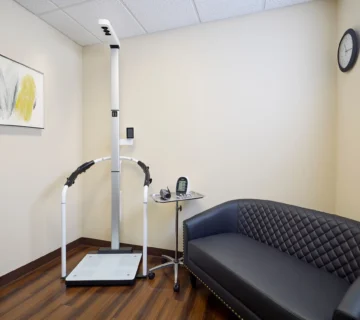
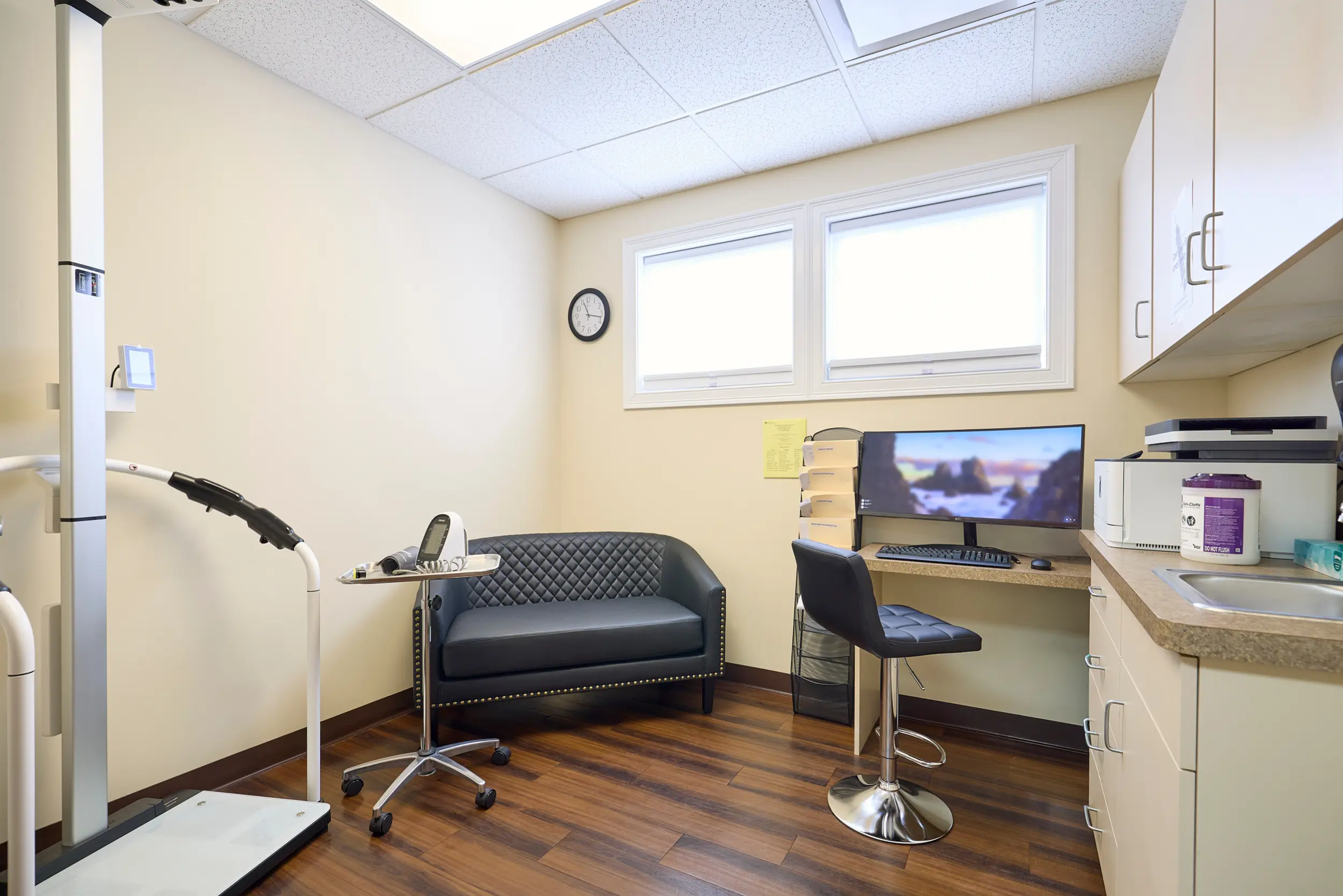
We draw labs and can do an EKG on site, so you don’t need a separate trip to a lab. In our EverWell consult room we also use a body-composition scale, because the goal is to decrease fat tissue while protecting muscle, and the number on a regular scale can’t tell those apart. If you’ve been seen elsewhere, we can usually view your records from other practices through Care Everywhere, so you don’t need to chase down old files before you come in.
Building the plan together
From there we build a plan around your life, not a template. For most people it includes:
- Nutrition that is realistic for your schedule and food preferences, with enough protein to protect muscle. Patients can also meet with Giavonna Hirtes, RDN, LD, the registered dietitian who works with our practice.
- Activity that starts where you are, with strength training as a priority over time.
- Treating the conditions around weight, like blood pressure, blood sugar, cholesterol and sleep, because improving them is part of the point.
- Medicine, when it fits. Not everyone needs it, and it is never the whole plan.
Where medicines fit
Newer medicines have changed what is possible. In two large studies, adults taking one of the newer weekly injections along with lifestyle support lost about 15 to 20 percent of their body weight on average over about 16 months, compared with about 2 to 3 percent on placebo (NEJM, 2021; NEJM, 2022). Those are averages from research settings; individual results vary, and some people respond much less.
These medicines also have side effects, cost and insurance questions, and they work best inside a program with follow-up. We explain the options, including older medicines that can be a good fit for some people, on our Weight Management Medications page, and we decide together whether one makes sense for you.
Follow-up is where the work happens
The difference between a medical program and a diet is what happens after the first month. We see you regularly to check progress, adjust the plan, manage side effects and look at body composition and labs over time. You see the same team each visit: me, Courtney Laperriere, PA-C, and Diana Kisel, FNP-C, working from one shared chart, so nobody has to start from scratch. Established patients located in Massachusetts can do some follow-up visits by telehealth, which helps people with busy weeks in Marlborough, Hudson and beyond.
Because we are also a primary care practice, weight care doesn’t sit in a separate silo. The same team that manages your blood pressure or cholesterol sees how they change as your weight changes, and adjusts those medicines too.
When to talk to a clinician instead of reading on
If you have diabetes, take medicines for blood pressure or blood sugar, have had pancreatitis or gallbladder disease, have a family history of medullary thyroid cancer, are pregnant or planning pregnancy, or are already using a weight-loss medicine from another source, talk with a clinician before making changes. Those situations need a plan built around your full history.
Interested in our EverWell program? Learn more on our EverWell page, then request your first visit with the short form on our new-patient page or call or text (508) 770-6701 — our team will call you to confirm your details and book your first visit. Current patients: our office is at 162 Main Street, Northborough.
Gunardi Irawan, MD, is board-certified in internal medicine and obesity medicine and leads a primary care and medical weight-management practice in Northborough, Massachusetts. This article is general health information, not medical advice for any individual.